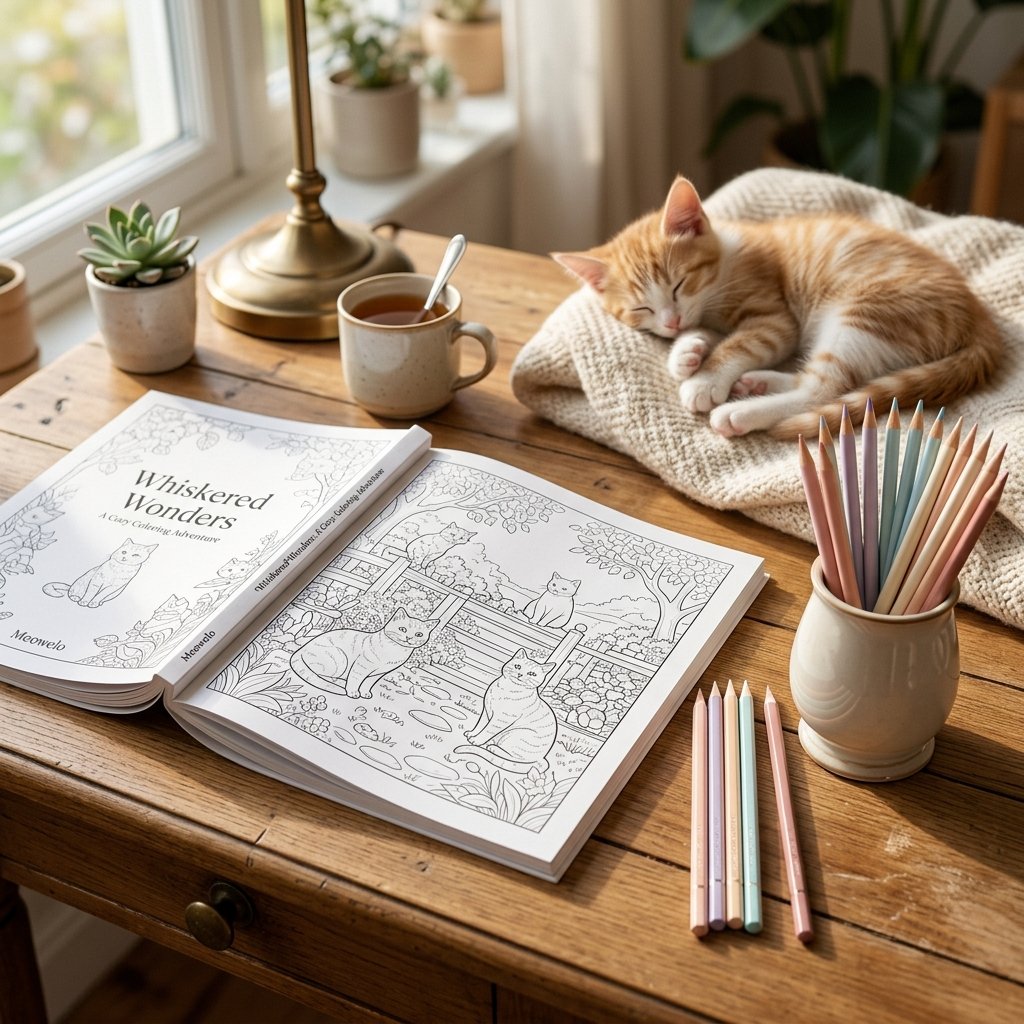
Monday: a beautiful new box of crayons, all points and promise.
Friday: forty-eight stubs, a pile of peeled paper, and a small voice saying, "It just broke."
If this is your house, you're not alone. Crayon snapping is one of the most common coloring complaints we hear. And it's almost never naughtiness. Here's what's really going on, and six easy fixes.
Why children snap crayons
1. They press really hard
Young children often use a lot of pressure. Their hand muscles are still developing, and pressing hard gives them more feedback and brighter color. It's a normal stage. A thin wax crayon just isn't built for that much force.
2. They peel the paper
Peeling is deeply satisfying. It's also the fastest way to weaken a crayon, because the paper wrapper holds it together under pressure. A fully peeled crayon snaps much more easily.
3. The grip is too far up
Holding a crayon near the far end turns it into a lever. Holding it closer to the tip (where it touches the paper) reduces the snapping force.
4. The crayons are cold
Wax gets more brittle when it's cold. Crayons stored by a drafty window or in the car in winter snap more easily.
5. It's fun
Let's be honest: sometimes snapping a crayon is just interesting. That's allowed to be a bit of an experiment, too.
6 easy fixes
Crayons that survive heavy hands
-
1
Twist-up: nothing to peel or snap Crayola Twistables Crayons for Kids, 24 Count The best crayons for kids who press hard or snap everything, and a brilliant travel crayon.
-
2
Chunky and nearly unbreakable (ages 2+) Crayola Large Crayons, 8 Count The best first crayons for toddlers and preschoolers: thick, easy to grip and very hard to snap.
-
3
Sixteen thick crayons in a sturdy box Crayola Large Crayons, Lift-Lid Box, 16 Count The step up from the 8-count: the same easy-grip size with twice the colors and a box that actually closes.
Amazon shows the current price and delivery. Each item also has its own page on Meowelo with what it’s not good for.
Is pressing hard a problem?
Usually not. Pressing hard is very common in young children and tends to ease as hand control develops. The "light and heavy" game helps children notice pressure without making it a correction.
If pressing very hard comes with other concerns, like frequent tiredness or pain when writing, trouble holding pencils, or a lot of frustration with hand tasks, it's worth mentioning to your child's teacher or pediatrician. An occupational therapist can offer helpful advice. For more on grip stages, see our guide to coloring and fine motor skills.
What to do with all the broken bits
- Keep using them. Small pieces are brilliant for little fingers and encourage a gentle pinch grip.
- Rubbing crafts: peel stubs completely and use the side for leaf and coin rubbings.
- Melt them into new crayons: with a grown-up, melt sorted stubs in a silicone mold in a low oven. Rainbow crayons!
What to say when a crayon snaps
Instead of
You broke it again! Be more careful.
Try
Oops, it snapped. Now you have two! Want to try pressing a bit lighter?
Instead of
That's why we can't have nice things.
Try
Crayons break sometimes. Let's put the pieces in the stub jar.
Keeping it light matters. For some children, a snapped crayon feels like a big failure, especially perfectionists. A calm "that happens" helps them move on quickly.
Questions parents ask
Why does my child press so hard when coloring?
What crayons don't break easily?
Should I stop my child peeling crayons?
Stubs are a sign of a well-loved box
A drawer full of broken crayons usually means one thing: a child who colors a lot. Try twist-ups or jumbos, save the stubs, and keep coloring.
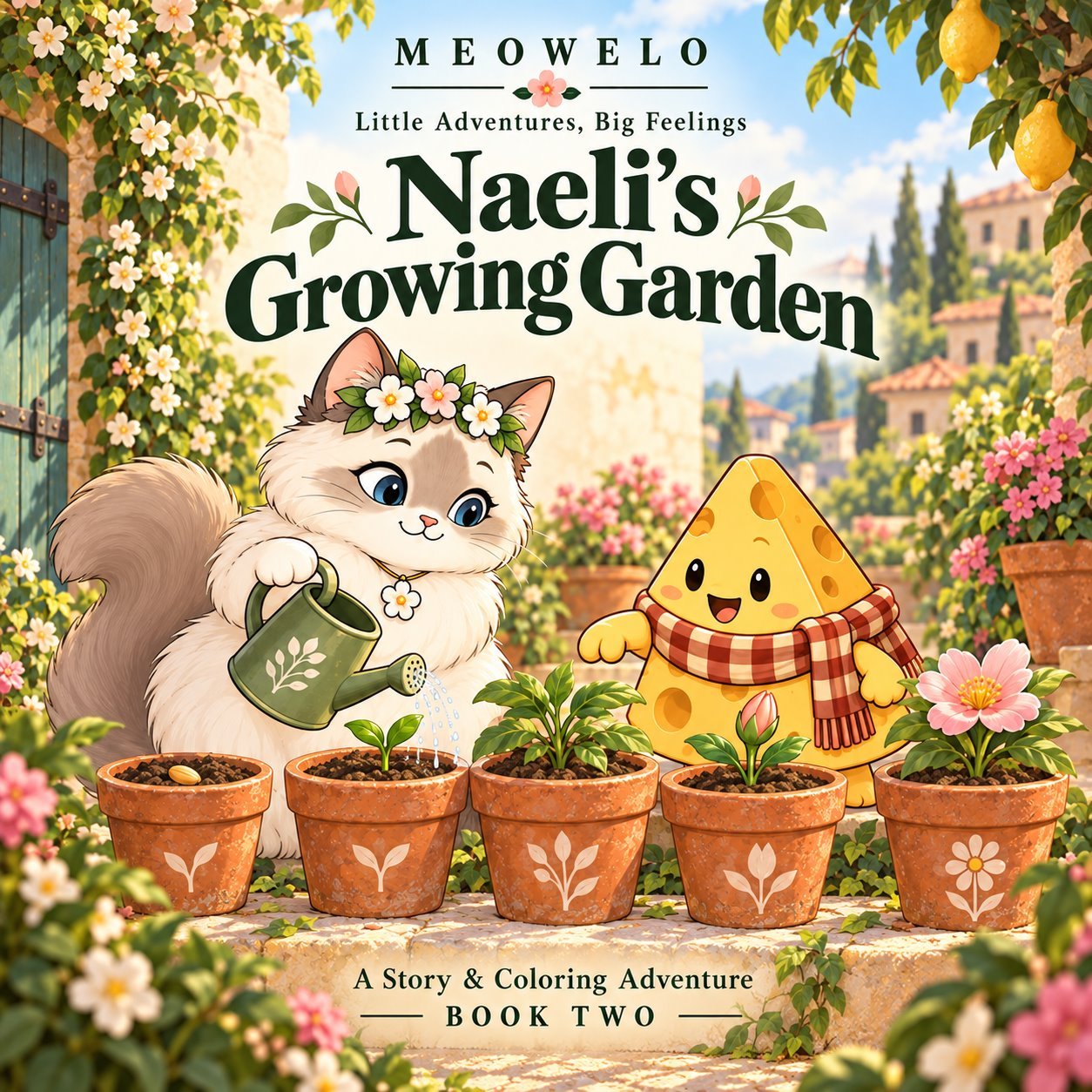
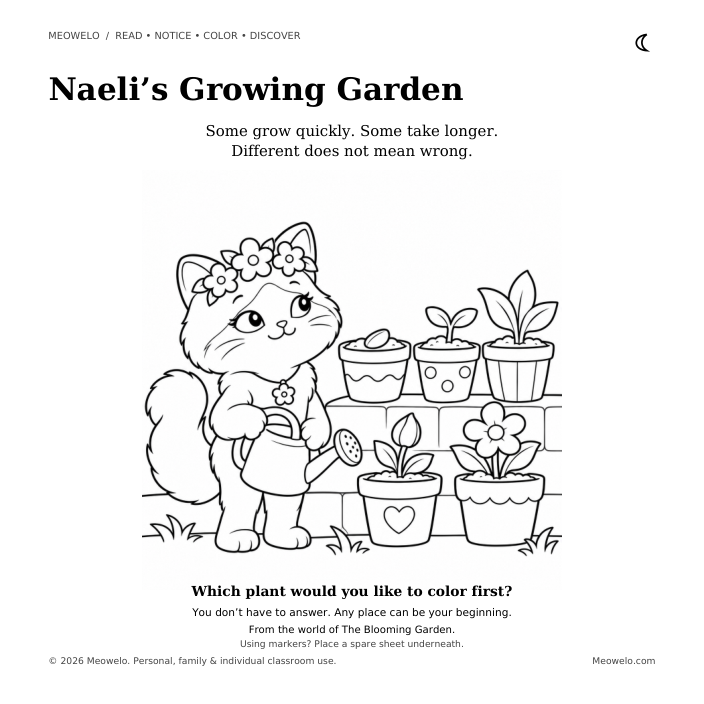
Naeli's Growing Garden
Something is growing. Just not all at once.
“One pot has a flower, another has a sprout, and one seems to have only soil. Something is growing, just not all at once.”
With Naeli & Cheddo · Ages 6–10 · Story + coloring