
"Reading is boring."
Three words that can make a parent's heart sink. Especially when you remember loving books as a child, or when school is sending home reading logs that need filling in.
Here's the reassuring part: most reluctant readers aren't against stories. They're against how reading feels right now: hard, slow, or like a test. Change the feeling, and the reading often follows.
Why some children resist reading
- It's hard work. When decoding takes effort, the story gets lost.
- It feels like a test. Reading logs, levels and "sound it out" can make books feel like homework.
- The books don't interest them. A child who loves trucks may not care about princesses, and vice versa.
- They're comparing. "Everyone else is on chapter books."
- Screens are easier. Books have to compete with instant, bright entertainment.
If reading seems unusually difficult, such as trouble with letter sounds, reversing letters a lot past the early grades, or great frustration despite practice, talk to your child's teacher. Some children benefit from extra support, and getting it early helps.
9 story tricks that make books feel like play
1. Keep reading aloud
Read aloud long after your child can read alone. It lets them enjoy stories above their own reading level, hear how expressive reading sounds, and associate books with closeness, not effort.
2. Let them choose, and don't judge
Comics, graphic novels, joke books, animal fact books, recipe books, game guides. It's all reading. Interest is the engine; quality can come later.
3. Start with short pages
A whole chapter can feel like a mountain. Books with short text per page (and pictures that carry part of the story) feel achievable. Finishing things builds confidence.
4. Add something to do with the story
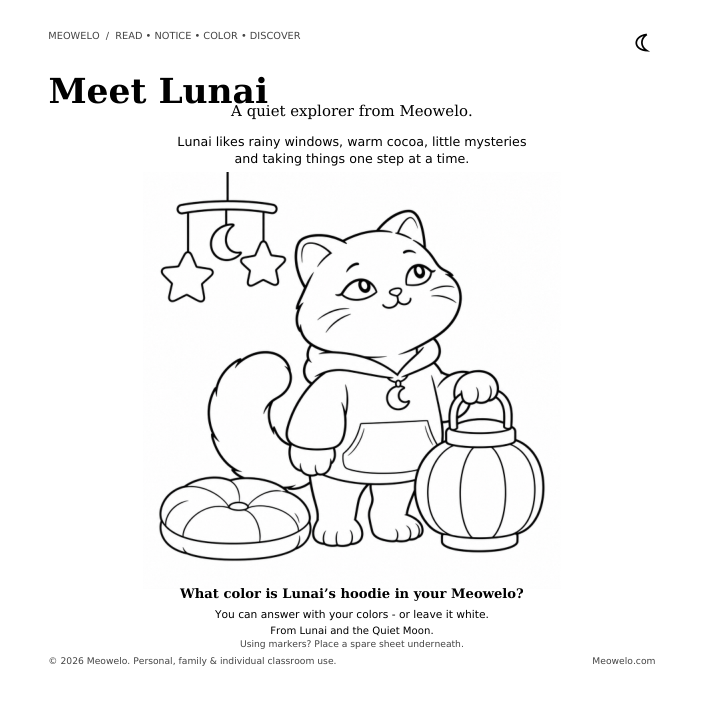
Story coloring books pair a short page of text with a picture to color. The reading has a purpose (find out what happens, then color it), and the coloring gives restless hands a job. Many reluctant readers will read a page to "unlock" the coloring.
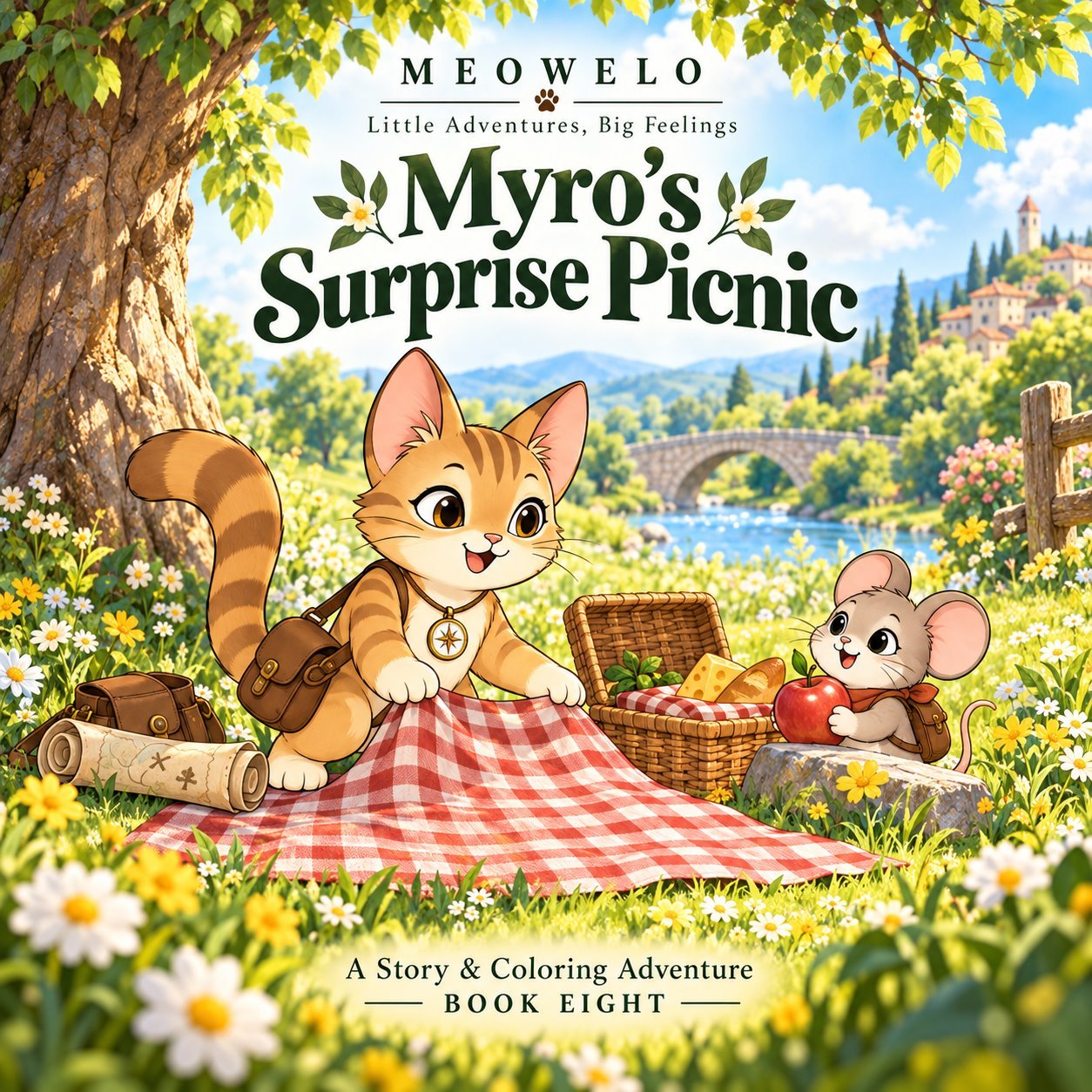
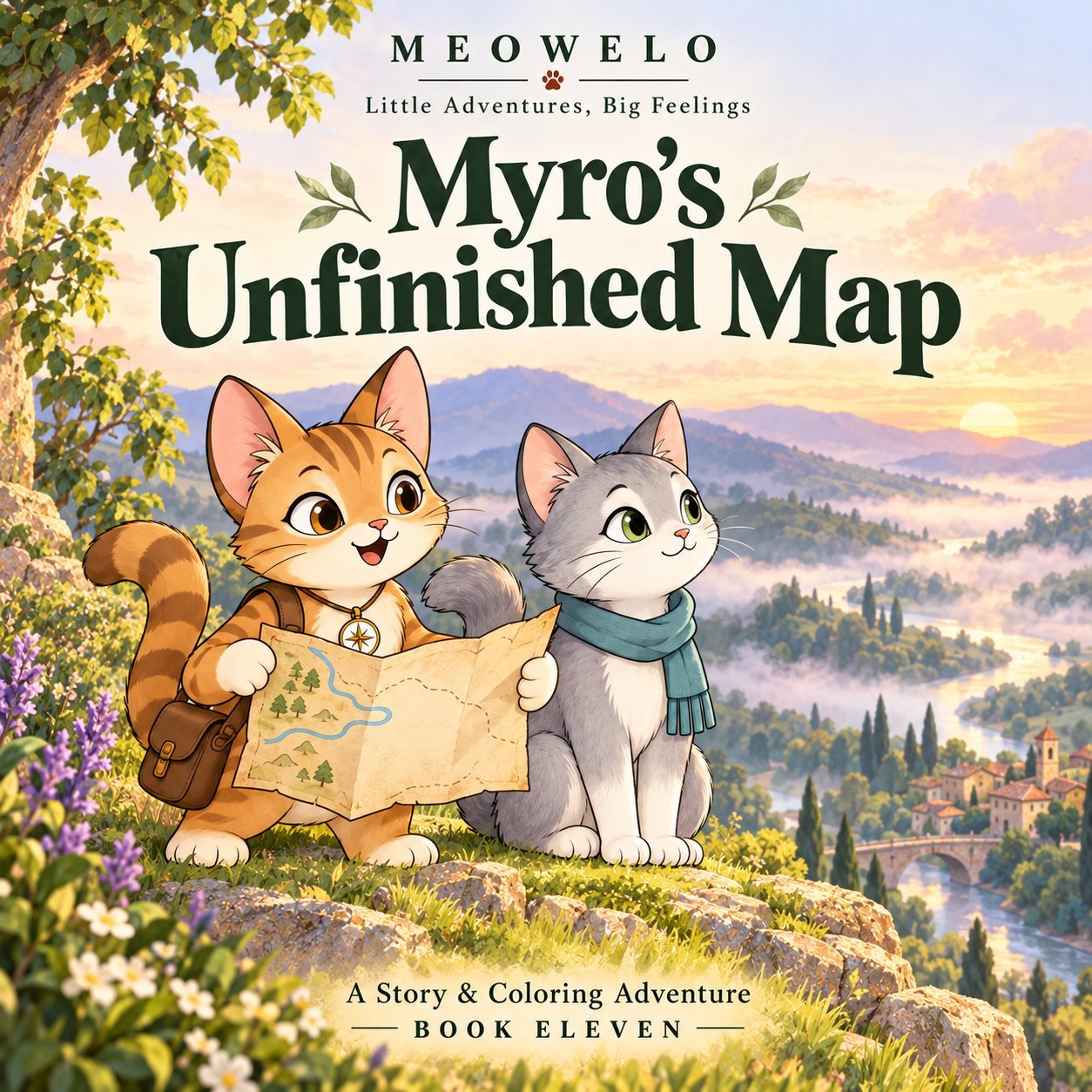
Myro's Surprise Picnic
With Myro & Pico · Ages 6–10 · Story + coloring
This stop wasn't on the map.
5. Take turns
You read a page, they read a line. Or you read the narration, they read the character's voice. Sharing the load keeps momentum and makes it social.
6. Make it silly
Use funny voices. Read in a whisper, then in a robot voice. Let them correct you when you "accidentally" read the wrong word. Laughter is the fastest way to lower pressure.
7. Act it out
Turn a scene into a mini play with soft toys. Pick the dramatic moment and perform it. Children who move a lot often remember stories better when their bodies are involved.
8. Connect to their life
Choose stories that echo something real: a new school, a changing plan, a sibling. "Myro's plan changed too. What did he try?" A story that feels relevant is a story worth reading.
9. Drop the scoreboard
Where you can, stop counting minutes and pages at home. Celebrate the story instead: "Which part was your favorite?" Reading grows best where it feels free.
What to say (and skip)
Instead of
You need to read for 20 minutes.
Try
Want to read one page each and see what happens to Pico?
Instead of
That book's too easy for you.
Try
Great choice. What do you like about it?
Instead of
Your sister loved reading at your age.
Try
Everyone finds their favorite kind of book at a different time.
A reluctant-reader friendly routine
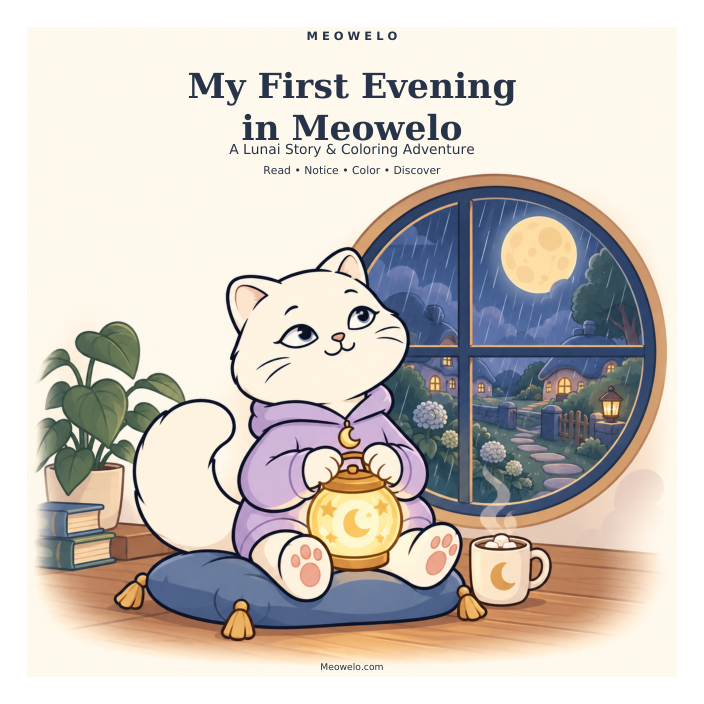
My First Evening in Meowelo
A free ten-page story-and-coloring mini adventure: one short page of story at a time, and a picture to color after each.
Print it freeQuestions parents ask
How do I get my 7-year-old interested in reading?
Do comics and graphic novels count as reading?
When should I worry about my child's reading?
Make stories the reward
Reluctant readers don't need more pressure. They need reading to feel like something good: a funny voice, a cozy spot, a picture waiting to be colored. Start with one page. Make it fun. Come back tomorrow.
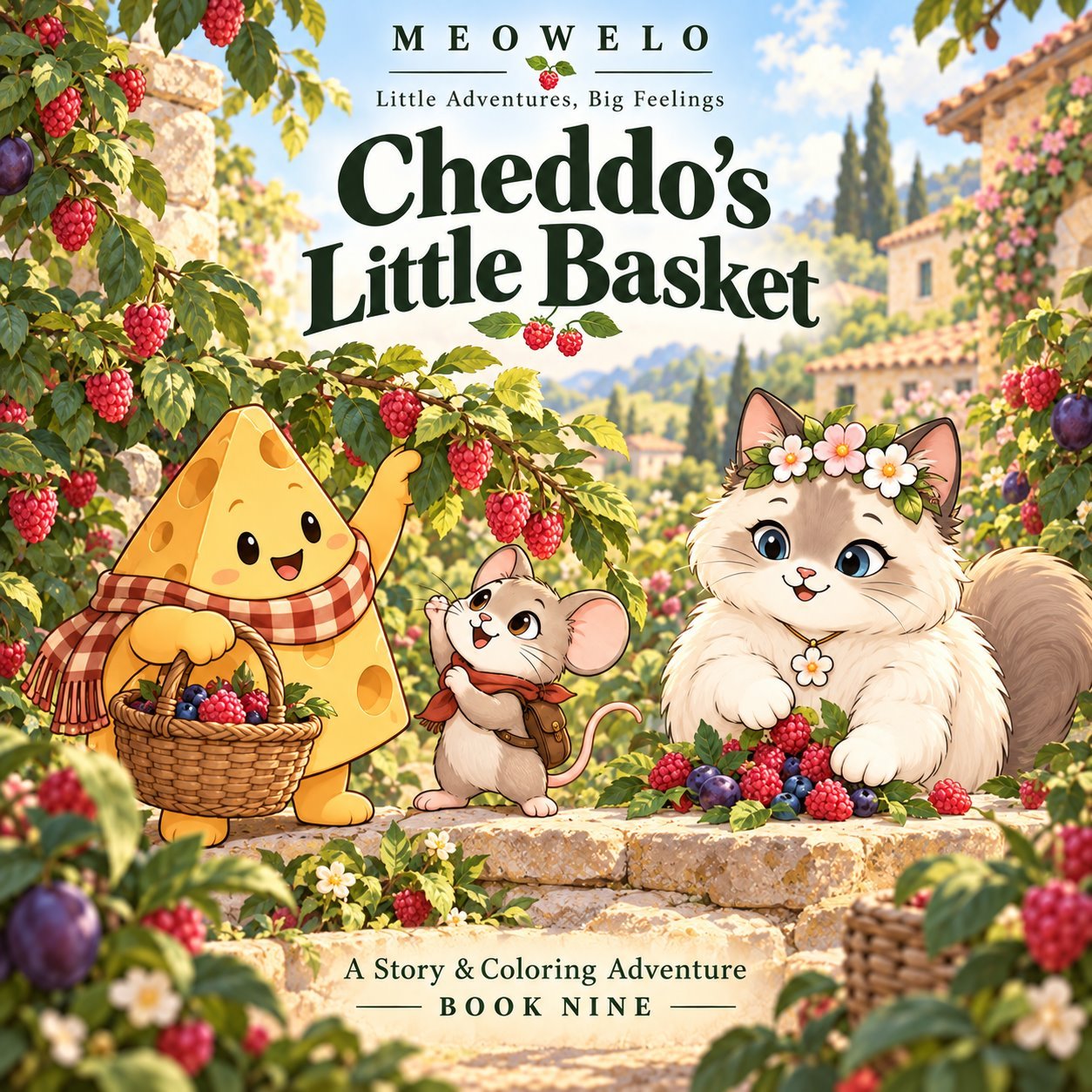
Cheddo's Little Basket
Can a little basket hold a big contribution?
“The friends are gathering berries for a picnic. Cheddo looks at his little basket and wonders whether he has helped enough.”
With Cheddo, Pico & Naeli · Ages 6–10 · Story + coloring