
There's a moment, somewhere between the flour on the ceiling and the paint in the dog's ear, when every parent wonders whether messy play is really worth it.
It is. Honestly. But it doesn't have to be that messy, and you're allowed to plan for the clean-up before it starts.
What counts as messy play?
Anything children can squish, pour, splash, smear or mix: finger paint, play dough, water play, sand, shaving foam, mud kitchens, slime, and yes, cooking. For ages 6 to 10, it also includes painting, clay, papier-mâché and science experiments.
Why messy play is worth it
It's how children explore
Children learn about the world by touching it. What does wet sand do that dry sand doesn't? What happens when blue paint meets yellow? Messy play is a science lab with no instructions.
It builds hand skills
Squeezing dough, pouring water and painting all strengthen the small muscles of the hands and improve coordination, the same skills that later help with holding a pencil and writing.
It's creativity without pressure
A lump of clay has no "right" answer. For children who worry about getting things wrong, messy play can be a relief: you can't really fail at squishing.
It practices flexible thinking
Plans change constantly in messy play. The tower collapses; the colors go brown. Children learn to shrug, adjust and try something else. That's a big skill hiding in a little mess.
It's often calming
Many children find repetitive, hands-on activities soothing, like kneading dough or swirling water. It's a lovely way to settle after a busy day.
How to survive it: low-mess setups
Messy play ideas, from low-mess to all-in
Low mess
- Play dough on a tray.
- Washable watercolors on thick paper.
- Water play in the sink with cups and funnels.
- Crayon rubbings of leaves and coins.
Medium mess
- Finger painting on a tray.
- Shaving foam drawing on a table (it wipes clean!).
- Baking together.
Go outside
- Mud kitchen with old pans and spoons.
- Chalk and water painting on the patio.
- Baking soda volcanoes.
Messy-play supplies that wash up
-
1
Washable paints for rainy skies and puddles Crayola Washable Watercolor Paint Set for Kids Easy, washable watercolors for kids: lovely for skies, water and rain on thicker paper.
-
2
Washable crayons for the wall artist Crayola Ultra-Clean Washable Crayons, 16 Colors The best crayons for young wall artists: normal crayon color that cleans up far more easily.
-
3
Everything in one case (great gift) Crayola Inspiration Art Case, 140 Pieces The best all-in-one gift set: crayons, markers, colored pencils and paper in one tidy carry case.


Amazon shows the current price and delivery. Each item also has its own page on Meowelo with what it’s not good for.
The clean-up plan
- Give a warning: "Five more minutes, then clean-up."
- Make it part of the play: washing the brushes and wiping the tray is still messy play.
- Hands first, then tools, then surfaces.
- Keep it cheerful. Mess is the point, not a problem.
Not a messy-play family? That's okay too
Some children (and some grown-ups) really dislike sticky hands. That's fine. Coloring, drawing and building are wonderful, low-mess ways to create. You can also offer gloves, tools and spoons for children who want to explore without touching.
And for a calm, clean creative moment after the chaos, a story coloring page is the perfect wind-down.
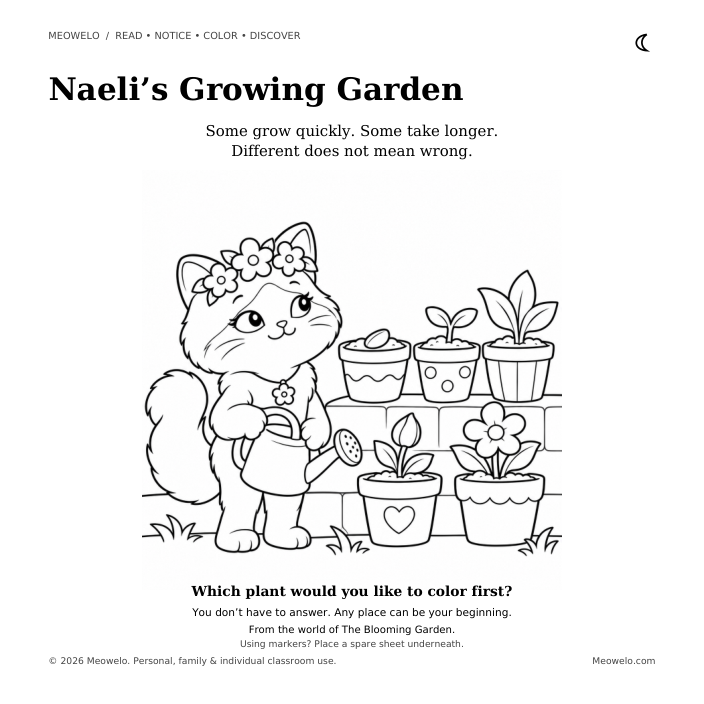
Naeli’s Growing Garden
After the mud kitchen: a free garden page to color. Five pots, five small surprises, zero mess.
Print it freeQuestions parents ask
What are the benefits of messy play for children?
How do I do messy play in a small apartment?
What if my child hates getting their hands dirty?
A little mess, a lot of learning
Messy play isn't about the mess. It's about curiosity, experimenting and hands that learn by doing. Set up a tray, roll up the sleeves, plan the clean-up, and let them get stuck in.
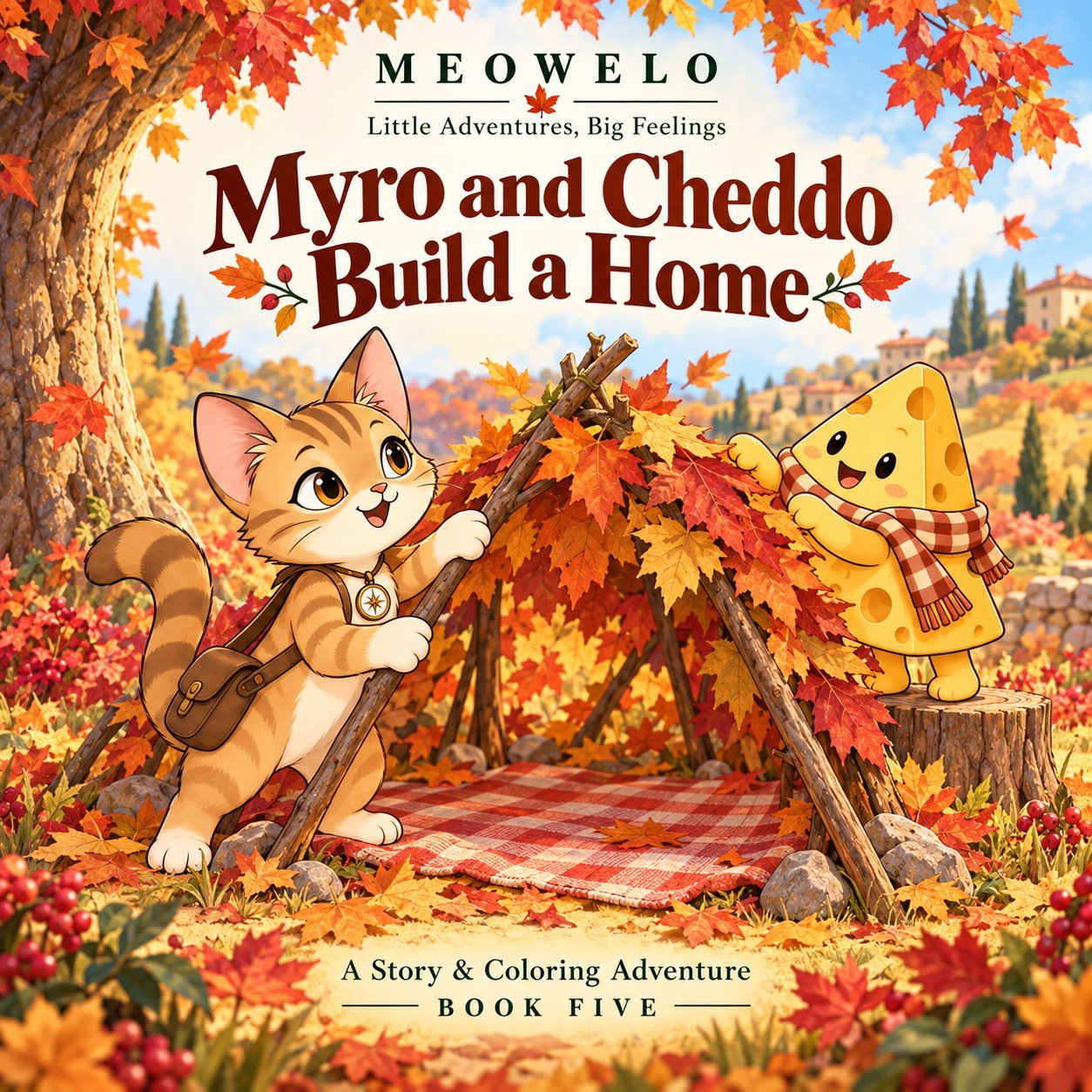
Myro and Cheddo Build a Home
Two friends. Two plans. One little home.
“Myro imagines a tall lookout. Cheddo imagines a cozy picnic shelter. They are building together, but they aren't building the same thing!”
With Myro & Cheddo · Ages 6–10 · Story + coloring