
You can spot a young perfectionist at the coloring table.
They stay exactly inside the lines. They erase so hard the paper pills. One stray mark and the whole page goes in the bin. And sometimes, to avoid all of that, they simply don't start.
High standards aren't a bad thing. But when "it has to be perfect" takes all the fun out of making things, children need a bit of help loosening their grip. Here's how.
What perfectionism looks like in young children
- Big reactions to small mistakes: tears, anger, ripping the page.
- Starting over again and again.
- Refusing to try new things unless they already know they'll be good at them.
- Asking you to "fix it" or do it for them.
- Only choosing activities they've already mastered.
Underneath most of it is one uncomfortable feeling: "If it's not right, it means I'm not good." The work isn't to lower their standards. It's to separate their worth from their result.
What to say when the picture "goes wrong"
Instead of
It's fine, nobody will notice.
Try
That line went somewhere you didn't plan. Hm. What could it turn into?
Instead of
Stop being such a perfectionist.
Try
You really care about getting it right. That's okay. What if this page is just for practice?
Instead of
Don't cry, it's only coloring.
Try
That's so frustrating. Want to take a breath with me, then decide what to do?
Instead of
Perfect! Great job!
Try
You kept going after that wobbly bit. That's the tricky part, and you did it.
That last swap matters most. If "perfect" is the thing that earns praise, children keep chasing it. If "kept going" earns praise, they chase that instead.
Mistakes are information
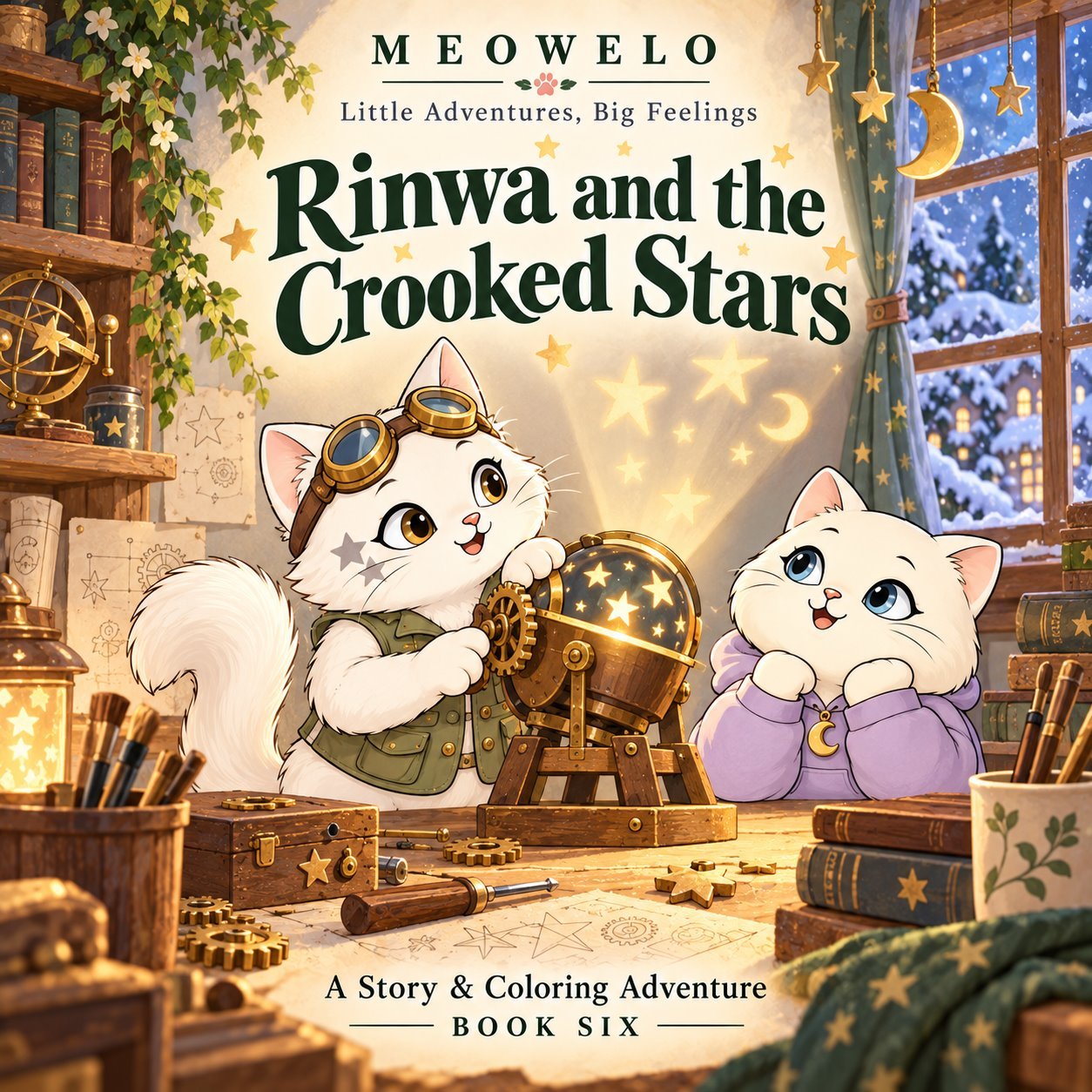
This idea sits at the heart of Rinwa, our inventor. Her inventions go wrong, often, and the stories treat that as part of inventing rather than a disaster.
Rinwa isn't pretending she's happy about it. She's disappointed and still curious. That's the exact skill a perfectionist child needs: feeling the frustration and still looking for what the mistake can teach.
Rinwa and the Crooked Stars
With Rinwa & Lunai · Ages 6–10 · Story + coloring
The stars weren't supposed to look like that.
Games that make "wrong" fun
Tools that lower the stakes
For some perfectionists, supplies make a surprising difference. Erasable colored pencils let children change their minds, so the first mark feels less permanent. Crayons are forgiving because they don't demand precision. Very fine-tipped markers, on the other hand, can feed the urge to make every line exact.
Forgiving supplies for careful colorers
-
1
Rub out and try again Crayola Erasable Colored Pencils for Kids, 24 Count The best colored pencils for cautious or perfectionist kids: mistakes rub out, so starting feels easier.
-
2
Bold, forgiving, hard to get wrong Crayola Crayons, 24 Count (Pack of 2) The best everyday crayons for most kids aged 3 to 10: bright, sturdy, great value, and two boxes so there's a spare.
-
3
Comfortable grip for long careful sessions Faber-Castell Grip Colored EcoPencils, 24 Count The best colored pencils for comfort and grip: triangular barrels with soft grip dots and sturdy leads.

Amazon shows the current price and delivery. Each item also has its own page on Meowelo with what it’s not good for.
A story made for perfectionists
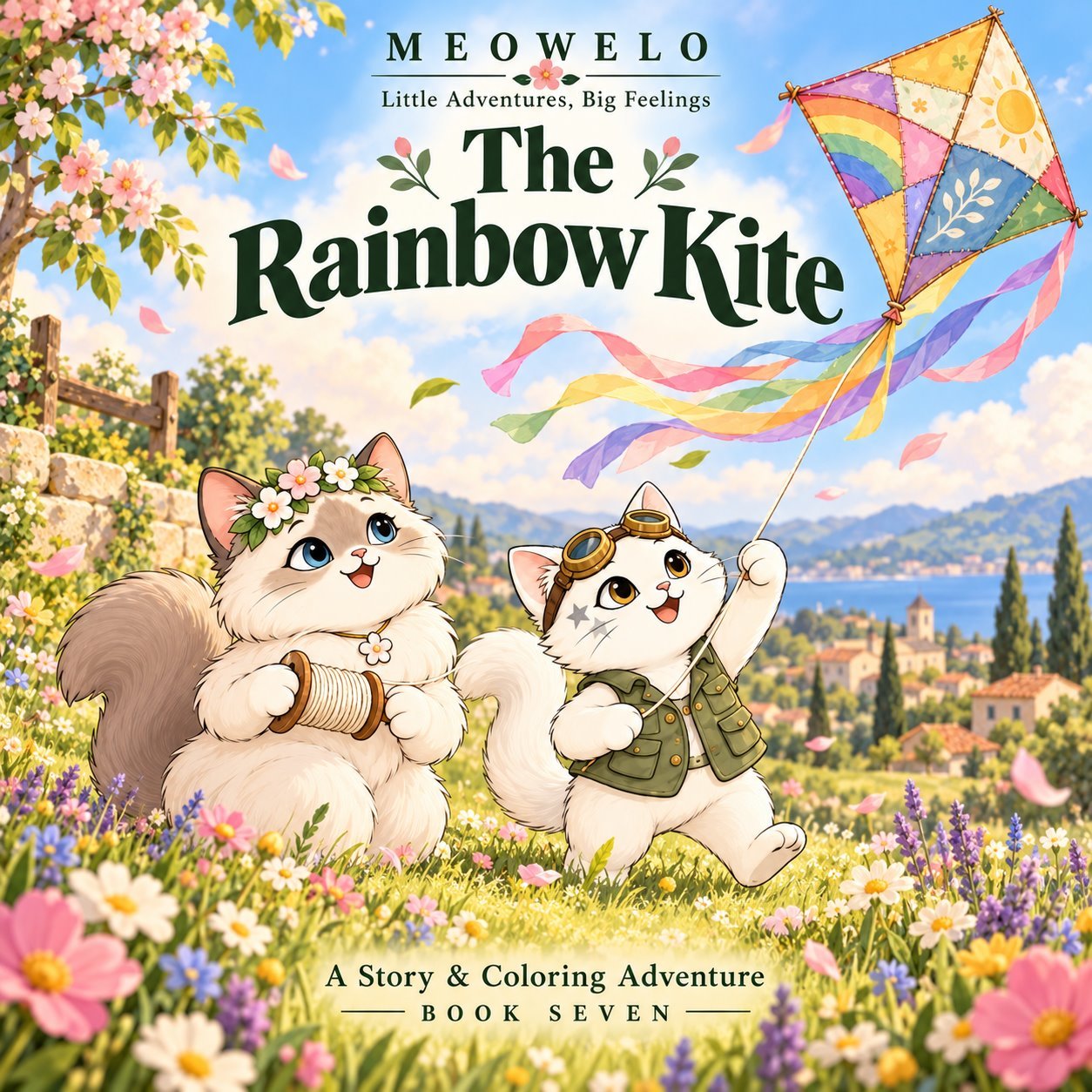
The Rainbow Kite follows Naeli and Rinwa as they build a kite for the meadow, with ribbons, a plan, and high hopes. Then there's a tear in the fabric and a sudden shower, and their ideas head in a new direction. It's a lovely one to read with a child who struggles when things don't go to plan: the kite isn't what they pictured, but it's something they made together.
When perfectionism is getting in the way
Many children go through perfectionist phases. If your child's fear of mistakes is stopping them from schoolwork, play or trying new things most of the time, or causing a lot of distress, it's worth talking to their teacher, your pediatrician or a qualified professional.
Questions parents ask
Is perfectionism in children a bad thing?
Should I stop my child from erasing?
What should I praise instead of the finished picture?
Different can still be beautiful
Your perfectionist child doesn't need to stop caring. They need to learn that a picture can be wobbly, unexpected or unfinished and still be worth making. One silly-colored page at a time, they'll get there.
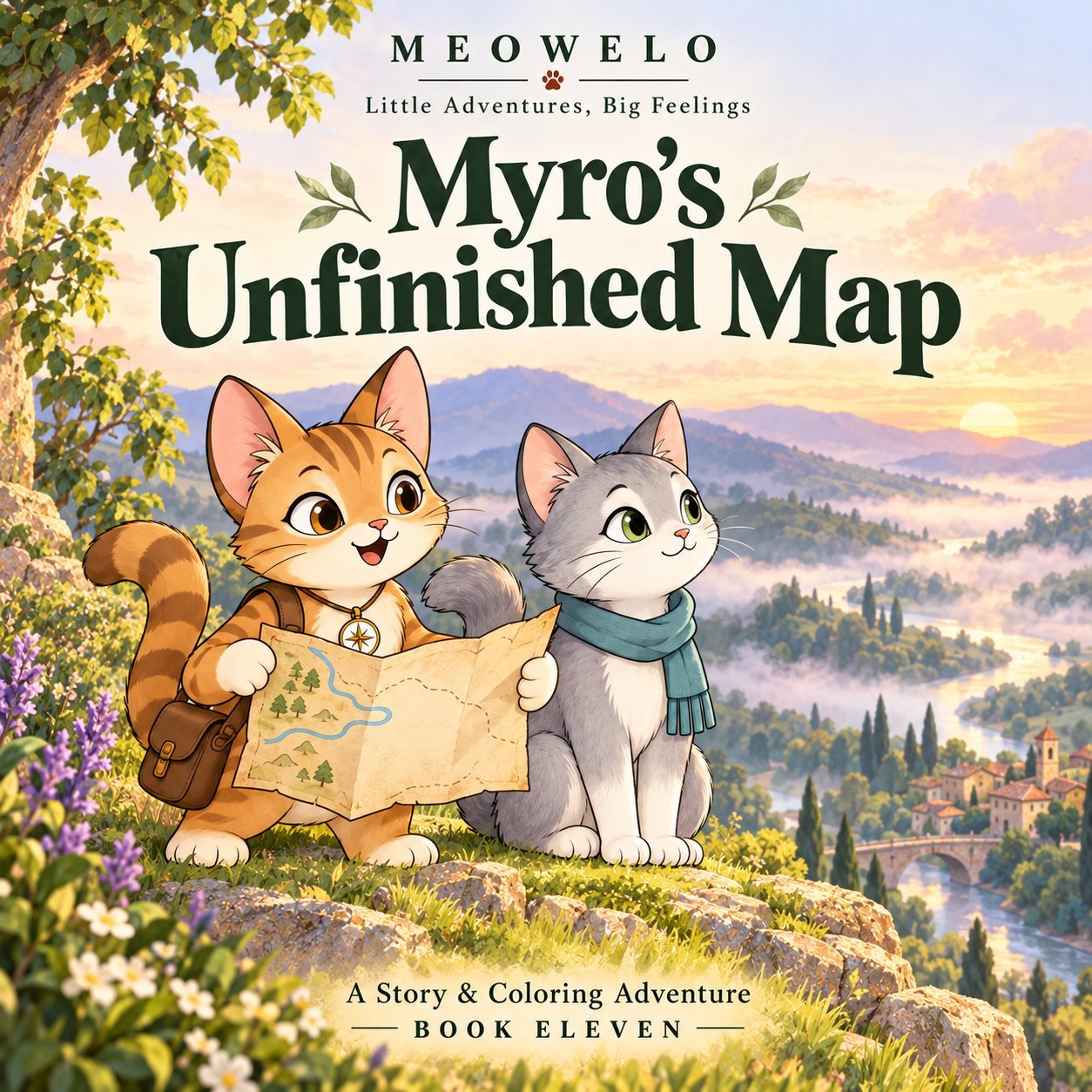
Myro's Unfinished Map
What belongs in the empty spaces?
“With Riyu beside him, Myro discovers that an unfinished map can still be the beginning of an adventure.”
With Myro & Riyu · Ages 6–10 · Story + coloring