
Ask a child "How are you feeling?" across the dinner table and you'll usually get "fine" or a shrug.
Hand them a crayon and sit beside them, and twenty minutes later you might hear about the argument at recess, the dream about the lost dog and why the moon should definitely be purple.
Coloring together isn't magic, and it isn't therapy. It's just one of the easiest places to talk. Here's how to use it well.
"Art therapy at home" vs. art at home
You'll see a lot of articles about doing "art therapy" at home. It's worth being clear: art therapy is a real profession, done by trained, licensed therapists. What we do at the kitchen table is something simpler and still lovely: making things together and talking while we do it.
That matters because it takes the pressure off you. You don't need to interpret your child's drawings or find hidden meanings in their color choices. (Honestly, a black sun usually just means black was the closest crayon. There's more on that in our post on what color choices do and don't mean.) You just need to be there, curious and kind.
Start with the character, not the child
Children often find it easier to talk about someone else's feelings than their own. That's one reason story-based coloring pages work so well: the feeling belongs to the character, so it's safe to explore.
Try questions like these while you color:
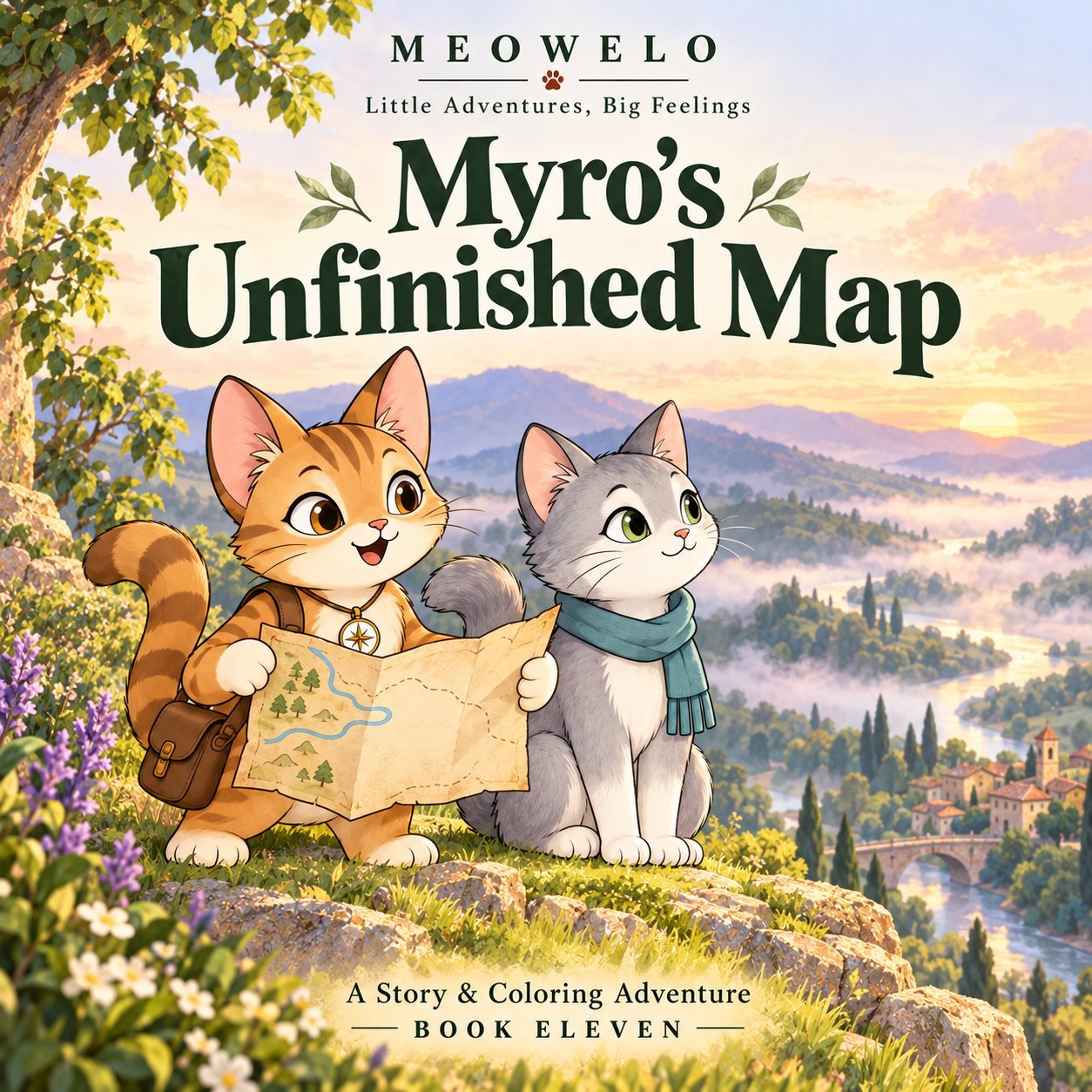
- "How do you think Myro feels when the mist hides the valley?"
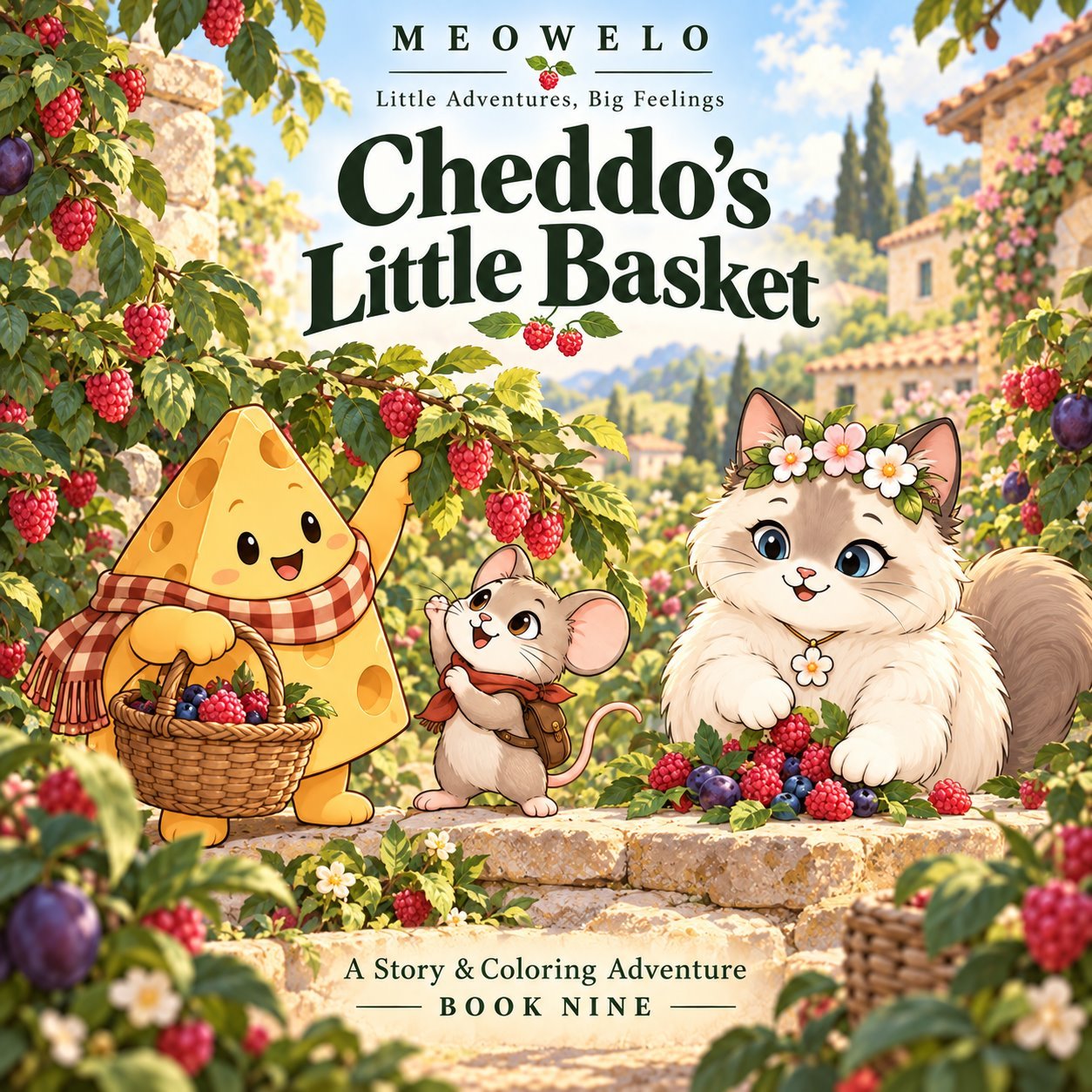
- "What would you say to Cheddo if he thought his basket was too small?"
- "Have you ever felt like Pico at the edge of the forest?"
That last one is the bridge. Sometimes they'll walk across it ("Yeah, on the first day of swimming"). Sometimes they won't. Both are okay.
Myro's Unfinished Map
With Myro & Riyu · Ages 6–10 · Story + coloring
What belongs in the empty spaces?
Name it, don't fix it
When a feeling does come out, the most helpful thing is usually the least dramatic: say what you notice, and let it be true.
Instead of
Don't be sad, it's only a game.
Try
You're really disappointed. You wanted to win that one.
Instead of
You shouldn't feel angry at your sister.
Try
You're so angry right now. It felt really unfair.
Instead of
Cheer up! Let's color something happy.
Try
It's okay to color a grumpy picture. Want to show me what grumpy looks like?
Naming a feeling doesn't make it bigger. More often, it helps a child feel understood, and a child who feels understood can usually move on faster than one who's still trying to be heard.
Once the feeling has had some room, you can ask if they'd like help thinking about what to do. If the answer is "no", that's fine too. Sometimes a feeling just needs company.
Five simple feelings activities to try while coloring
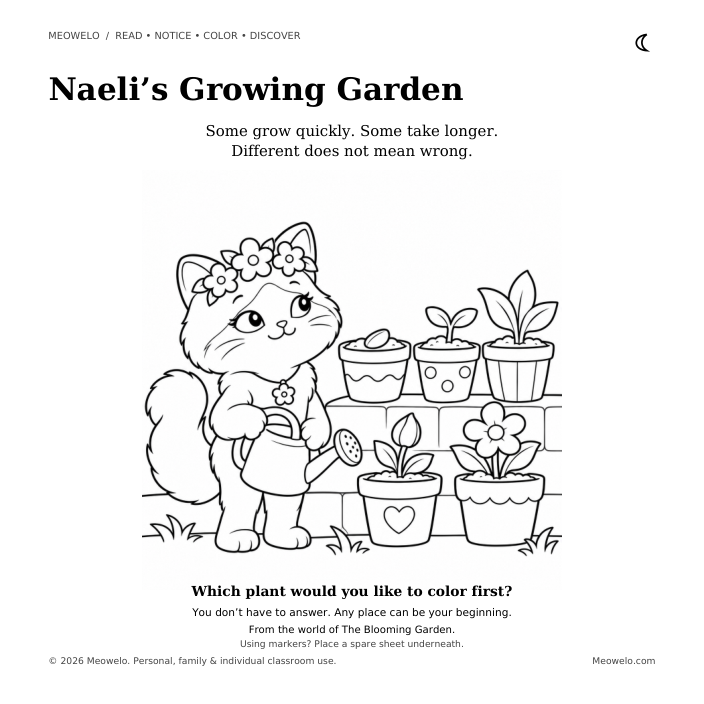
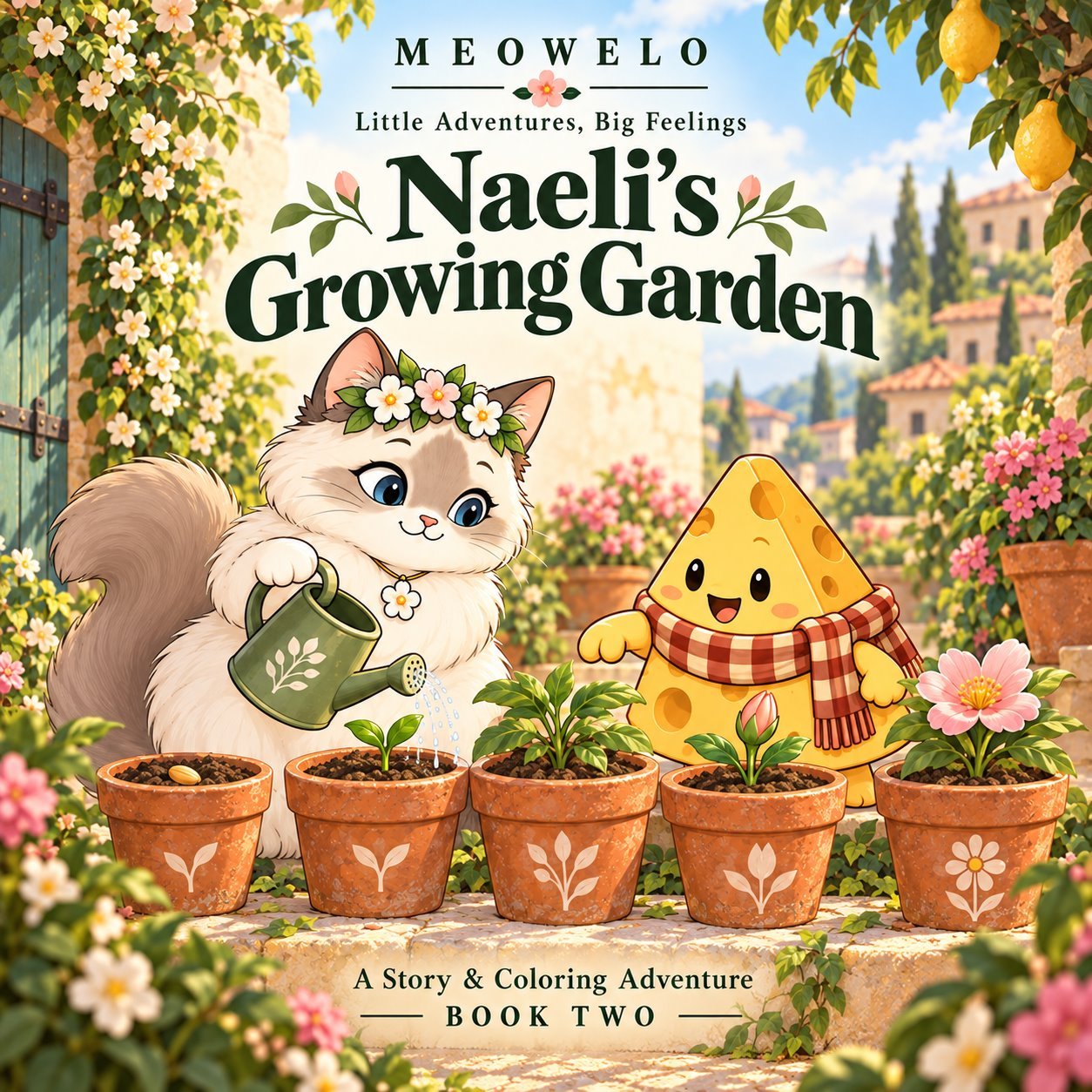
Naeli’s Growing Garden
Five pots, five small surprises. A gentle free page for talking about growing at your own speed.
Print it freeWhen the feelings are really big
Sometimes coloring brings up something heavy: a loss, a fear, something that happened at school. If that happens:
- Stay calm and keep your voice ordinary. Your steadiness tells them it's safe to say.
- Thank them for telling you. "I'm really glad you told me."
- You don't need all the answers now. "Let me think about that with you" is a complete sentence.
- Follow up later. A quick check-in the next day shows you remembered.
If feelings seem stuck, very intense, or are affecting daily life, it's a good idea to talk to your pediatrician or a qualified mental-health professional.
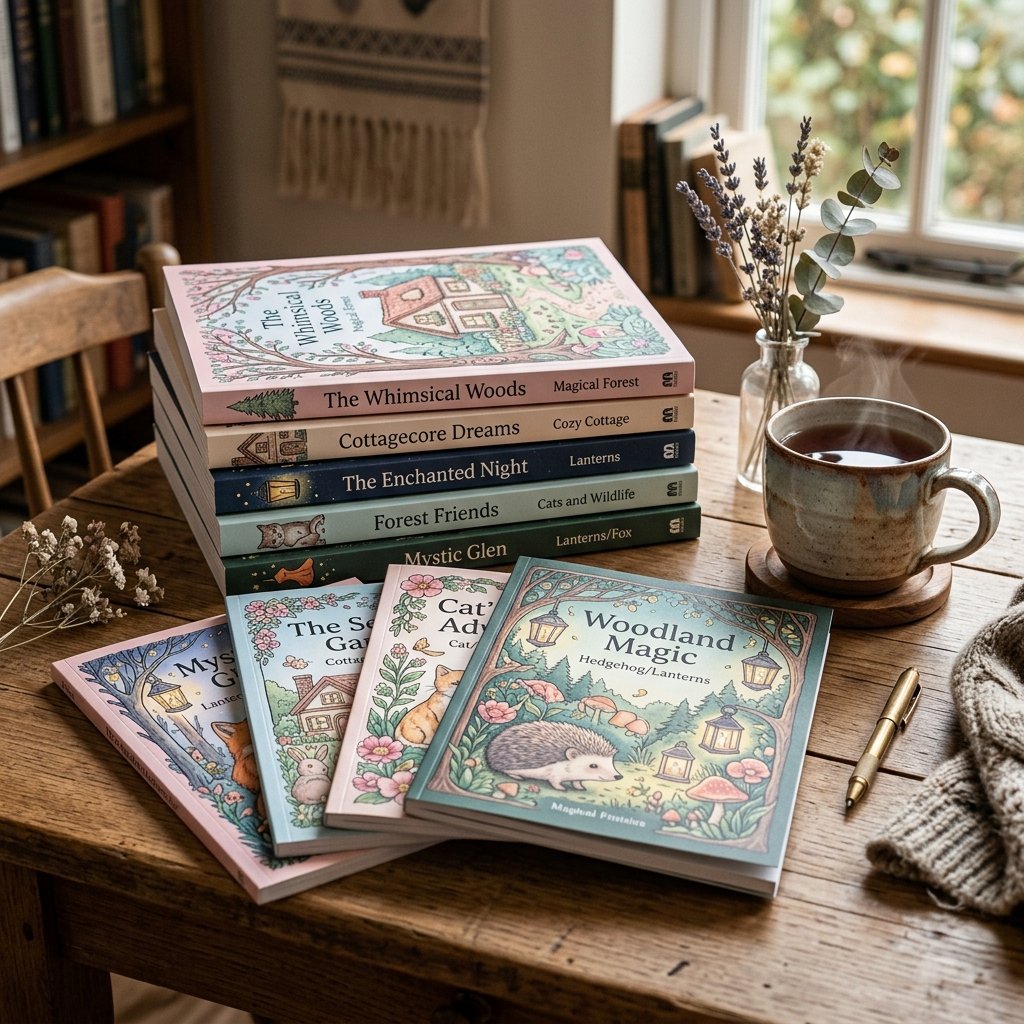
Meowelo Friends Poster Pack
7 printable character posters + a Meet the Friends sheet
Questions parents ask
Is coloring with my child the same as art therapy?
What if my child won't talk about feelings?
Should I interpret my child's drawings?
A table, two pages, and time
You don't need a technique for every feeling. Sit down, pick up a crayon, and color next to your child. Ask about the characters. Listen more than you talk. The big conversations tend to find their own way in.
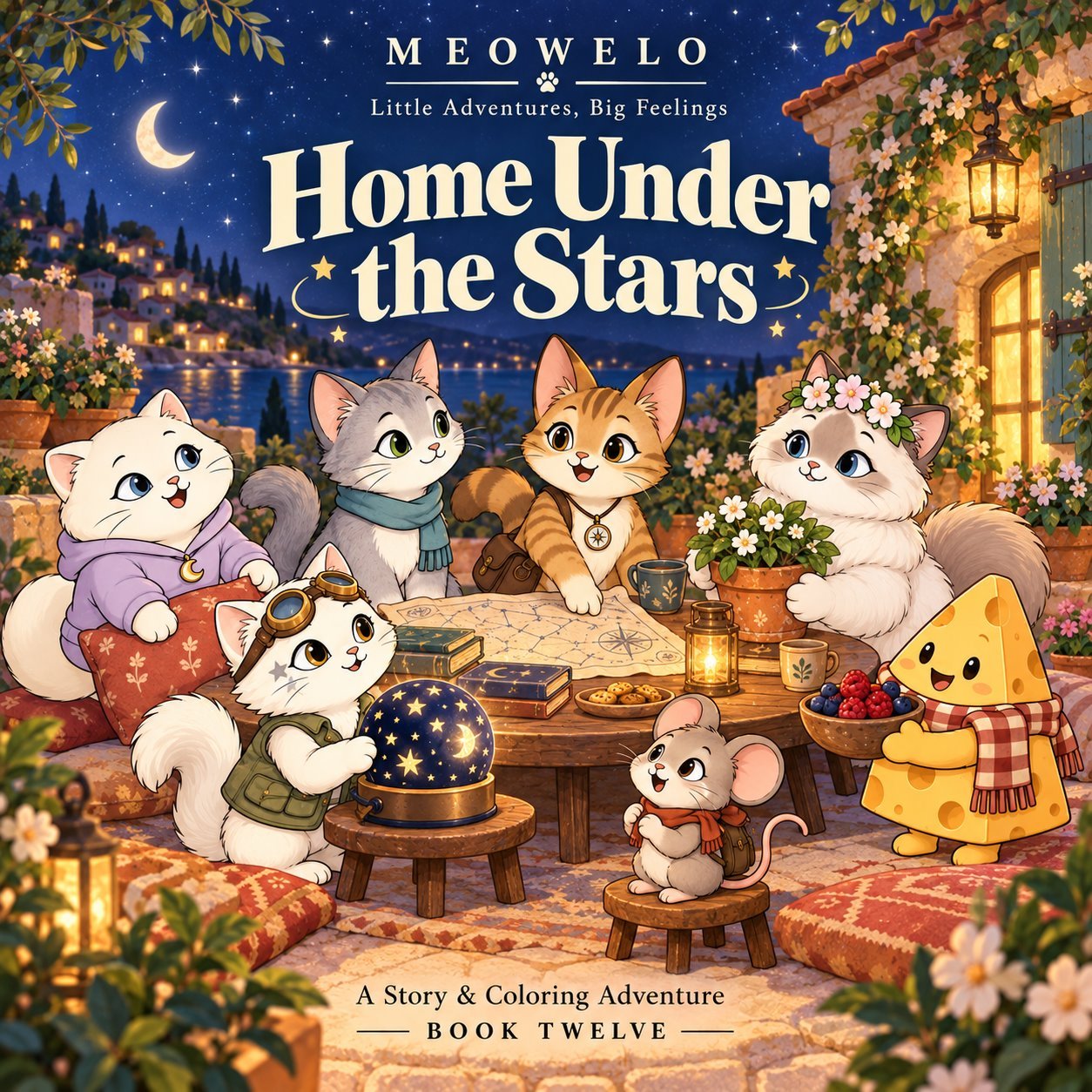
Home Under the Stars
There is room for you here.
“Some want to talk. Some want a quiet corner. And not everything is ready yet.”
With Lunai, Riyu, Myro, Naeli, Rinwa, Pico & Cheddo · Ages 6–10 · Story + coloring